
Stress and Breath
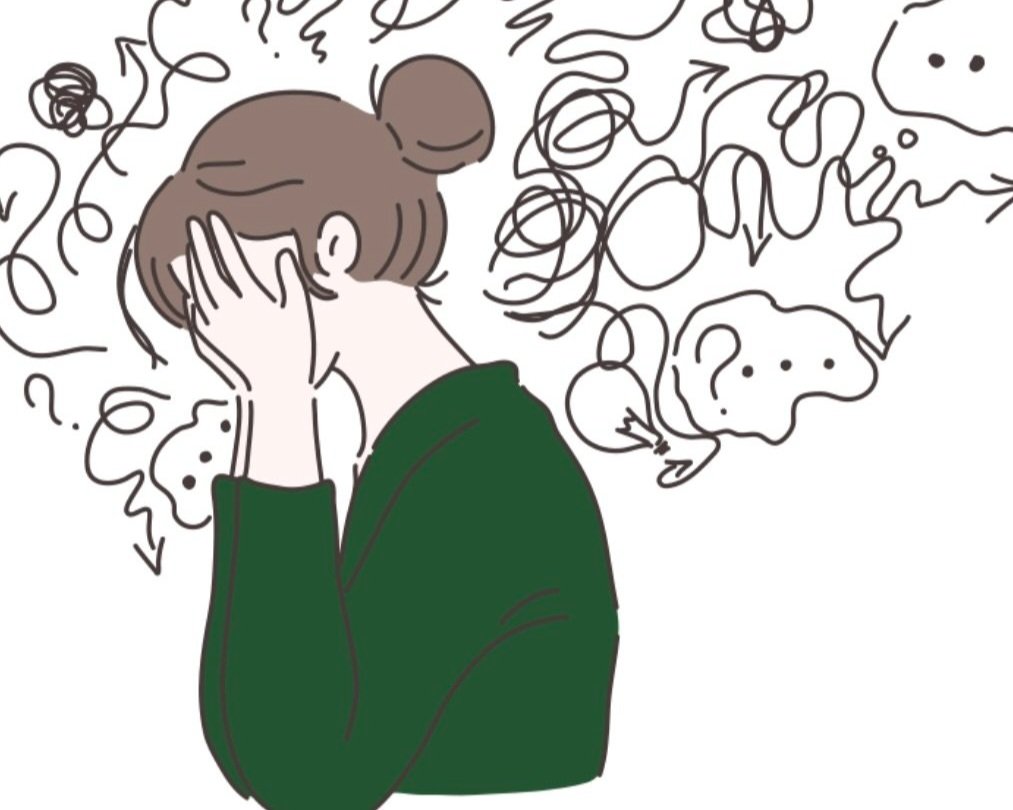
Pain and stress are deeply interconnected in the overall functioning of our bodies, creating a complex relationship that affects our well-being. Stressful events, whether big or small, can often trigger episodes of pain, while the presence of pain can activate the body's stress response, leading to a heightened sense of discomfort. This cyclical process, while a normal physiological reaction, becomes problematic and challenging when these responses become excessive and unmanageable. At this critical point, it is vital to pay close, mindful attention to the signals our bodies are communicating and respond appropriately to these cues before symptoms worsen and escalate.
It has long been recognized in the rich tradition of yoga that one’s breathing patterns serve as powerful indicators of their mental and physical states. Disturbances such as fear, anger, sadness, illness, or acute pain can disrupt normal, balanced breathing. Some individuals may experience breath-holding, shallow breaths, or even difficulty breathing as a direct result of overwhelming pain and stress, exemplifying a typical withdrawal response where the body instinctively attempts to shield itself from distressing stimuli. Conversely, other individuals may exhibit rapid or shallowed breathing in response to pain and stress, reflecting an emergency response where the body seeks the heightened energy required for a fight-or-flight reaction. These alterations in breathing patterns are instinctive mechanisms through which the body endeavors to protect itself against overwhelming physical or emotional stress.
It is important to note that while these responses are entirely normal in the face of stress or pain, they are not always conducive to maintaining overall health and well-being. Chronic pain or ongoing stress can lead to the persistence of these maladaptive breathing patterns, ultimately exacerbating the very stress and pain they signify in our lives. The good news is that your breath is the easiest and most accessible part of the stress or pain response that you can consciously change. While you can't block pain signals from reaching your brain or completely stop your adrenal glands from releasing stress hormones, you can learn to intentionally slow down and deepen your breath with just a bit of focused attention. These small yet impactful changes in breathing can lead to significant improvements in both mind and body function, including the reduction of stress hormones and a greater sensitivity to pain, ultimately fostering a healthier you.